

Imagine two companies. Both are growing fast. Both want to save money. One company, let’s call it TechEase, decides to cut costs by using pirated software. The other, BrightPath, invests in licensed software. At first, TechEase seems to have the upper hand. They spend less and get the same tools. But soon, things change. TechEase faces malware attacks, legal threats, and system crashes. Their work slows down. Customers lose trust.
Meanwhile, BrightPath runs smoothly. Their software is secure and updated. They get support when needed. Their clients are happy. This story is not unique. Every day, businesses face the choice: pirated vs licensed software. The decision shapes their future.
In this article, we will explore what every business must know about pirated vs licensed software. We will look at the risks, the benefits, and the real costs. We will help you make the right choice for your business.
Understanding Pirated vs Licensed Software
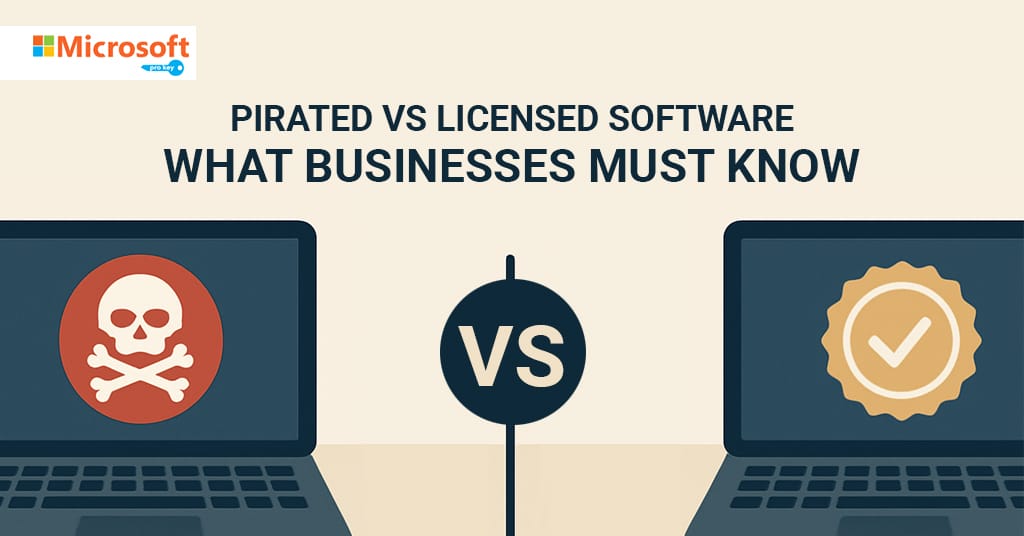
Pirated software is any software copied, distributed, or used without proper authorization. It is often downloaded from unofficial sources. Licensed software, on the other hand, is purchased legally. It comes with a valid license key and user agreement. The difference between pirated vs licensed software is not just about cost. It is about legality, security, and reliability.
Businesses must understand these differences. Using pirated software may seem like a shortcut. But it brings many hidden dangers. Licensed software offers peace of mind. It ensures your business stays on the right side of the law. It also protects your data and systems. When comparing pirated vs licensed software, always consider the long-term impact. The choice affects your business reputation, security, and growth.
The Legal Risks of Pirated Software
Using pirated software is illegal. It violates copyright laws. If your business is caught, you could face heavy fines. In some cases, there may even be criminal charges. Software companies often conduct audits. They check if businesses are using their products legally. If they find pirated software, they can take legal action.
This can lead to lawsuits and financial losses. The legal risks of pirated vs licensed software are clear. Licensed software protects your business from these dangers. It gives you proof of purchase. You can show that your software is genuine. This is important during audits. It also builds trust with clients and partners. They know you run your business ethically. Do not risk your company’s future. Choose licensed software and stay compliant.
Security Threats: Malware and Data Breaches
Pirated software is a major security risk. It often comes bundled with malware, viruses, or spyware. Hackers use pirated software to gain access to your systems. They can steal sensitive data or disrupt your operations. Data breaches can cost your business a lot. You may lose customer trust and face legal penalties. Licensed software is much safer. It is tested and verified by the developer. You get regular security updates. These updates fix vulnerabilities and protect your data. When you compare pirated vs licensed software, security is a key factor. Do not put your business at risk. Always use licensed software to keep your data safe.
The Hidden Costs of Pirated Software
Pirated software may seem cheap at first. But it comes with many hidden costs. You may face downtime due to malware or system crashes. Fixing these problems can be expensive. You may need to hire IT experts or replace hardware. Legal fines and lawsuits can also drain your resources. Your business reputation may suffer. Clients may leave if they find out you use pirated software. Licensed software, on the other hand, is a smart investment. It saves you money in the long run. You get reliable performance and support. You avoid costly legal and technical problems. When weighing pirated vs licensed software, always consider the true cost.
Software Updates and Support
One big advantage of licensed software is access to updates and support. Software developers release updates to fix bugs and improve security. If you use pirated software, you miss out on these updates. Your software becomes outdated and vulnerable. You also do not get technical support. If something goes wrong, you are on your own. Licensed software users get help from the developer. You can contact support for troubleshooting and advice. This keeps your business running smoothly. In the debate of pirated vs licensed software, updates and support make a big difference. Choose licensed software for peace of mind.
Business Reputation and Customer Trust
Your business reputation is important. Clients and partners want to work with trustworthy companies. If they find out you use pirated software, they may lose confidence in you. They may worry about data security and legal issues. This can hurt your business relationships. Licensed software shows that you run your business ethically. It builds trust with clients and partners. They know you value quality and security. In the battle of pirated vs licensed software, reputation is at stake. Protect your brand by choosing licensed software.
Compliance and Software Audits
Many industries have strict compliance rules. You must use licensed software to meet these standards. Software companies often conduct audits. They check if businesses are using their products legally. If you fail an audit, you may face fines or lose your license. This can disrupt your business. Licensed software makes audits easy. You have proof of purchase and valid licenses. You can show that your software is genuine. This helps you stay compliant and avoid penalties. When comparing pirated vs licensed software, compliance is a key factor.
Performance and Reliability
Pirated software is often unstable. It may crash or not work as expected. This can slow down your business. You may lose important data or miss deadlines. Licensed software is reliable. It is tested and supported by the developer. You get regular updates to improve performance. Your team can work efficiently without interruptions. In the pirated vs licensed software debate, performance matters. Choose licensed software for smooth and reliable operations.
The Impact on Productivity
Using pirated software can hurt productivity. You may face frequent crashes or errors. Your team may waste time fixing problems. This slows down your work. Licensed software boosts productivity. It works as intended and gets regular updates. Your team can focus on their tasks. They do not have to worry about software issues. When you compare pirated vs licensed software, think about your team’s productivity. Licensed software helps your business grow.
The Role of Microsoftprokey in Licensed Software
If your business uses Microsoft products, you need genuine licenses. Microsoftprokey offers affordable and genuine Microsoft software keys. You can buy licenses for Windows, Office, and more. This ensures your software is legal and secure. Microsoftprokey makes it easy to stay compliant. You get instant delivery and support. Visit Microsoftprokey to find the right licenses for your business. In the pirated vs licensed software debate, Microsoftprokey is a trusted partner. Choose licensed software and protect your business.
The Ethics of Software Use
Using pirated software is not just illegal. It is also unethical. Software developers work hard to create their products. They deserve to be paid for their work. When you use pirated software, you deny them fair compensation. This hurts the software industry. It also sets a bad example for your team. Licensed software supports innovation. It rewards developers for their efforts. It shows that your business values honesty and fairness. In the pirated vs licensed software debate, ethics matter. Choose licensed software and do the right thing.
Future-Proofing Your Business
Technology is always changing. Your business needs software that can keep up. Pirated software is often outdated. It does not get updates or new features. This can hold your business back. Licensed software is future-proof. You get the latest updates and features. Your business can adapt to new challenges. You stay ahead of the competition. When comparing pirated vs licensed software, think about the future. Licensed software helps your business grow and succeed.
Employee Morale and Company Culture
Your team wants to work for a company they can be proud of. Using pirated software can hurt morale. Employees may worry about security and legal risks. They may feel the company is cutting corners. Licensed software builds a positive culture. It shows that you care about quality and ethics. Your team can focus on their work without fear. In the pirated vs licensed software debate, company culture is important. Choose licensed software to build a strong and motivated team.
Making the Right Choice for Your Business
The choice between pirated vs licensed software is clear. Pirated software may seem cheap, but it brings many risks. You face legal, security, and financial problems. Your business reputation and productivity suffer. Licensed software is a smart investment. It protects your business and helps you grow. You get updates, support, and peace of mind. Your clients and team trust you. Do not risk your company’s future. Choose licensed software and build a strong foundation for success.
Conclusion
In the end, the debate of pirated vs licensed software is about more than just cost. It is about the future of your business. Pirated software may offer short-term savings, but it brings long-term risks. You face legal trouble, security threats, and hidden costs. Your business reputation and productivity are at stake. Licensed software is the better choice. It keeps your business safe, compliant, and efficient. You get support, updates, and peace of mind. Your clients and team trust you. Make the smart choice. Invest in licensed software and protect your business. The right software is not just a tool. It is a foundation for growth and success. Choose wisely. Your business depends on it.