Introduction
Choosing the right Windows version can feel like a daunting task. Many users get confused by the many options available. Some need basic features for home use. Others require advanced tools for business. Windows product comparisons help you make a smart choice. They save you time and money. They also prevent buyer’s remorse. This guide offers seven proven tips. These tips come from years of expert testing. They will simplify your decision. You will learn about key differences. You will understand pricing and features. You will also discover hidden gems. By the end, you will feel confident. Your choice will match your needs perfectly. Let us dive into the world of Windows. Windows product comparisons are your best friend. They cut through the marketing noise. They show you what really matters. So, get ready to become an expert. Your ideal Windows version is waiting.
Understand the Main Windows Editions
Microsoft offers several Windows editions. Each targets a different user group. The most common are Home and Pro. Home is for everyday consumers. Pro is for professionals and businesses. There is also Enterprise and Education. These are for large organizations. Windows product comparisons often focus on Home vs Pro. This is the most common dilemma. Home comes pre-installed on most new PCs. It covers basic needs well. Pro adds advanced security and management tools. It costs more but offers more control. Understanding these editions is step one. You cannot compare what you do not know. Take time to learn each edition’s purpose. This knowledge forms your foundation. It will guide all future decisions. Remember, the right edition depends on your use case. Do not just pick the cheapest option. Think about your long-term needs.
Compare Windows 10 and Windows 11
Many users still run Windows 10. Others have upgraded to Windows 11. Windows product comparisons must include this generational gap. Windows 10 is mature and stable. It works on older hardware. Windows 11 is newer and shinier. It has a modern interface. It includes AI features like Copilot. Performance differences are small. Some tests show Windows 11 is faster. Others show Windows 10 leads in certain tasks. The choice often depends on your hardware. Windows 11 requires TPM 2.0 and newer CPUs. Windows 10 is more forgiving. Security is another factor. Windows 10 support ends in October 2025. After that, no more security updates. This makes Windows 11 the safer long-term bet. Windows product comparisons should highlight this. Upgrading to Windows 11 is free for most users. So, the price is not a barrier. The barrier is hardware compatibility. Check your PC’s specs before deciding.
Know the Price Differences
Price plays a big role in any decision. Windows product comparisons must consider cost. Windows 11 Home costs $139.99. Windows 11 Pro costs $199.99. That is a $60 difference. However, many new PCs include Windows. The cost is baked into the price. Upgrading from Home to Pro costs $99. This is an important detail. Sometimes, deals make Pro much cheaper. You can find legitimate keys at discounts. Windows product comparisons should warn about fake keys. Only buy from trusted sources. The price difference is small for most. Yet, the feature gap can be huge. Pro offers BitLocker and Hyper-V. These are worth the extra cost for some. For others, Home is perfectly fine. Do not overspend on features you will never use. But also do not underspend and regret it later. Think of it as an investment. Your OS affects your daily productivity.
Examine Security Features
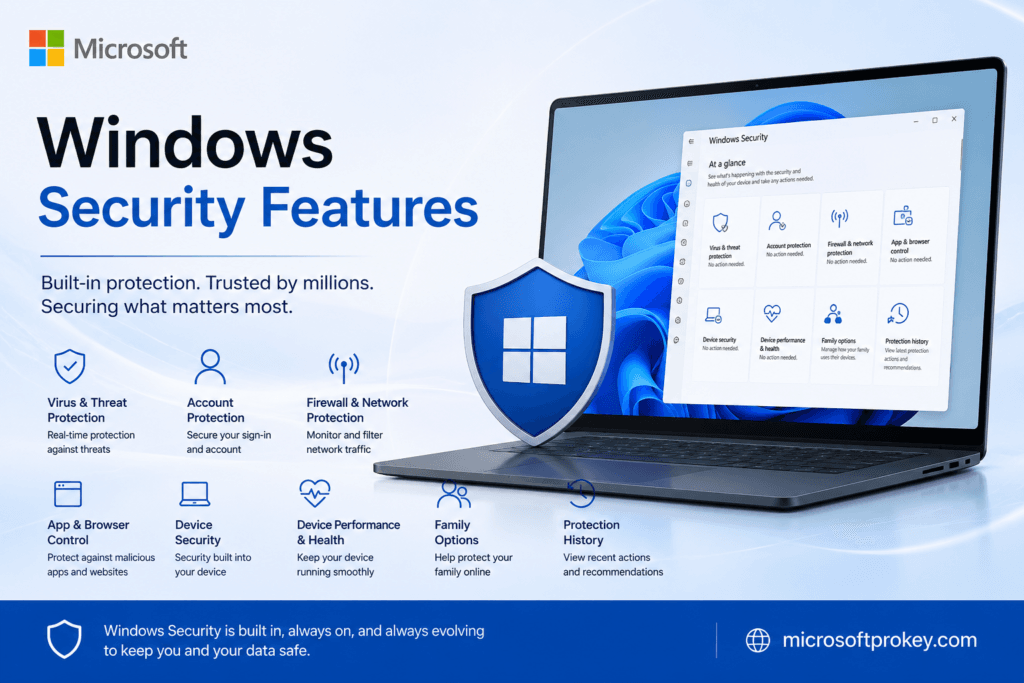
Security is a top concern for all users. Windows product comparisons must highlight security. Both Home and Pro include Windows Security. They have antivirus and firewall protection. However, Pro goes further. It includes BitLocker device encryption. This protects your data if your PC is lost. Home only offers basic device encryption. Pro also supports Windows Information Protection. This prevents data leaks. It is crucial for businesses. Pro includes advanced ransomware protection. Home has basic protection. Windows product comparisons show this gap clearly. Security is not just about viruses. It is about data privacy and control. Pro gives IT admins more tools. They can enforce security policies. They can manage updates centrally. Home users have less control. This is fine for personal use. But for work, Pro is often mandatory. Think about the sensitivity of your data. Choose the edition that matches your risk level.
Evaluate Business and Management Tools
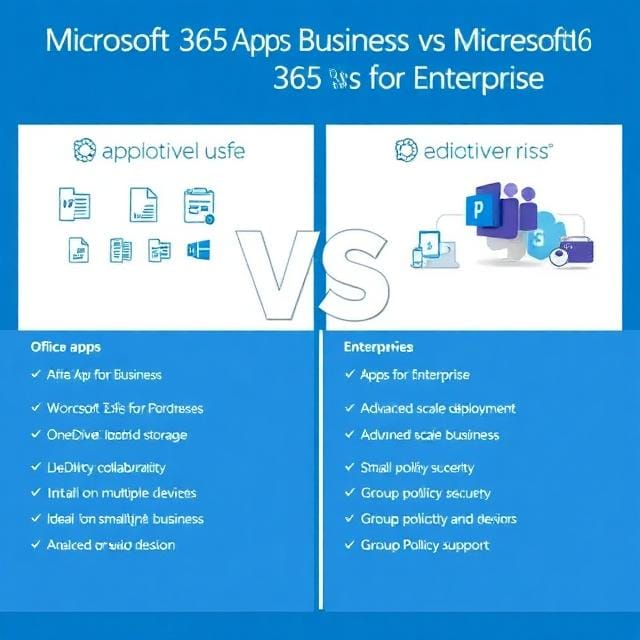
Business users have unique needs. Windows product comparisons cater to these needs. Pro includes tools like Hyper-V for virtualization. This lets you run other operating systems. It is great for developers and testers. Pro also includes Remote Desktop hosting. You can connect to your PC from anywhere. Home only allows remote connections as a client. It cannot host. Group Policy Management is another Pro feature. This lets admins control many PCs at once. It is essential for large offices. Pro supports joining a domain or Azure AD. This enables centralized user management. Windows product comparisons show these are business-critical. Home lacks these entirely. If you work in IT, Pro is non-negotiable. If you run a small business, consider Pro. It saves time and reduces headaches. The management features pay for themselves.
Consider Hardware Limitations
Hardware matters when choosing Windows. Windows product comparisons must address this. Windows 11 Home supports one CPU socket. It supports up to 128GB of RAM. Windows 11 Pro supports two CPU sockets. It supports up to 2TB of RAM. This is a huge difference. Most users will never need more than 128GB. But power users and servers might. Pro is built for high-end hardware. Home is for typical consumer PCs. Windows product comparisons should note this. If you have a dual-processor workstation, you need Pro. If you have a standard laptop, Home is fine. Also, consider storage. Pro supports more complex storage configurations. This includes features like Storage Spaces. Home has basic storage support. Your hardware dictates your OS choice. Do not buy Pro if your hardware is basic. But do not buy Home if you have a powerhouse. Match your OS to your machine’s capabilities.
Look at Gaming and Multimedia Features
Gamers have special considerations. Windows product comparisons often overlook this. Both Home and Pro support gaming features. These include Auto HDR and DirectStorage. These improve game visuals and loading times. Both versions support Xbox Game Pass. Both have the same gaming performance. Windows product comparisons show no gaming advantage for Pro. This is good news for gamers. You can save money with Home. However, Pro offers better multitasking. This can help if you stream while gaming. Pro’s better memory management helps too. But the core gaming experience is identical. So, gamers can choose based on other needs. If you only game, Home is sufficient. If you also work, consider Pro. Do not pay extra for gaming features you already have. Focus on the other differences we discussed.
Check Upgrade Paths and Support
Upgrading Windows is a common concern. Windows product comparisons must cover this. Upgrading from Windows 10 to 11 is free. This applies to both Home and Pro. You keep your edition. Home stays Home. Pro stays Pro. You cannot upgrade from Home to Pro for free. That costs $99. Windows product comparisons should clarify this. Support lifecycles are also important. Windows 10 support ends in October 2025. Windows 11 will be supported longer. This is a key consideration. Pro editions often get longer support. But for Windows 11, both editions have similar support. Enterprise editions get even longer support. But they are not for individuals. So, plan your upgrade path. If you are on Windows 10, start planning. Moving to Windows 11 is the logical step. Check your hardware compatibility first.
Read Expert Reviews and Benchmarks
Do not rely on marketing alone. Windows product comparisons benefit from expert reviews. Sites like PCMag and CNET test thoroughly. They run benchmarks and real-world tests. They compare performance, security, and usability. Windows product comparisons from experts are unbiased. They highlight both pros and cons. They also test on various hardware. This gives you a complete picture. User reviews are also helpful. But they can be subjective. Combine expert and user feedback. Look for common themes. If many experts praise a feature, it is likely good. If many users complain, beware. Windows product comparisons are only as good as their sources. Use trusted, reputable sites. Avoid clickbait and sponsored content. Your decision should be data-driven.
Think About Future-Proofing
Technology changes fast. Windows product comparisons should consider the future. Windows 11 is the present and future. Windows 10 is legacy. Choosing Windows 11 is future-proofing. It will receive updates for years. It supports new hardware and standards. Pro editions are more future-proof for businesses. They include tools for emerging threats. They support new management paradigms. Windows product comparisons should note this. Do not buy an OS that will be obsolete soon. Think about your needs in 3-5 years. Will you need more RAM? Will you need virtualization? Will you join a corporate network? If yes, Pro is the safer bet. If no, Home is fine. Future-proofing does not mean overbuying. It means buying what will last. Balance your current and future needs.
Use Legitimate Sources for Purchase
Where you buy matters. Windows product comparisons should include this advice. Only buy from Microsoft or authorized retailers. Avoid cheap keys from unknown sites. They may be fake or stolen. They can be revoked later. This causes headaches and data loss. Windows product comparisons often ignore this. But it is crucial. A cheap key is not a bargain if it stops working. Microsoftprokey is a trusted source for genuine keys. They offer competitive prices. They provide instant delivery. They have excellent customer support. Using a legitimate source ensures peace of mind. Your OS will activate without issues. You will receive updates. You will have support if needed. Do not risk your security for a few dollars. Buy from a reputable seller. It is worth the extra cost.
Consider Your Specific Use Case
Your use case is the ultimate guide. Windows product comparisons must be personalized. A student has different needs than a CEO. A gamer has different needs than a programmer. Home is great for students and families. It covers browsing, homework, and entertainment. Pro is better for professionals. It offers security and management. Windows product comparisons should ask: What do you do daily? Do you handle sensitive data? Do you need to connect to a corporate network? Do you run virtual machines? Answer these questions honestly. They will point you to the right edition. Do not choose based on peer pressure. Do not choose based on price alone. Choose based on your actual needs. This is the most important tip. Everything else is secondary.
Leverage Free Trials and Demos
Try before you buy. Windows product comparisons are better with hands-on experience. Microsoft offers trials for some editions. You can test Pro features before committing. This is invaluable. You can see if you really need BitLocker. You can test Remote Desktop. You can evaluate performance. Windows product comparisons become real. You are not just reading specs. You are experiencing them. This reduces the risk of a bad choice. Many users discover they do not need Pro. Others find they cannot live without it. Either way, you win. Take advantage of free trials. They are a gift. They save you from costly mistakes. They give you confidence. Your final decision will be based on reality, not theory.
Stay Updated on New Releases
Windows evolves constantly. Windows product comparisons must be current. Microsoft releases feature updates twice a year. These add new features and change others. What was true last year may not be true today. Stay informed. Follow tech news sites. Subscribe to Microsoft blogs. Join online communities. Windows product comparisons should be revisited periodically. Your needs may also change. A new job may require Pro. A new hobby may need specific features. Do not set and forget your OS choice. Re-evaluate annually. Check if your current edition still fits. Upgrade if necessary. Staying updated ensures you always have the best tool. It also keeps you secure. Outdated OS versions are vulnerable. So, make learning a habit. Your future self will thank you.
Conclusion
Making the right Windows choice is a journey. Windows product comparisons are your compass. They guide you through the noise. They highlight what truly matters. We have covered 14 key points. Each point is a stepping stone. Start with understanding the editions. Move to comparing versions. Consider price, security, and hardware. Think about your use case. Read expert reviews. Use legitimate sources like Microsoftprokey. Try before you buy. Stay updated. These steps will lead you to success. Remember, there is no one-size-fits-all. The best edition is the one that fits your needs. Do not overpay for unused features. But do not underbuy for critical tasks. Balance is key. Take your time. Do your research. Ask questions. The Windows ecosystem is vast. But with the right approach, you will find your perfect match. Your productivity and security depend on it. So, apply these tips today. Make an informed decision. Enjoy the benefits of a well-chosen OS. Your computer will perform better. You will work more efficiently. You will have peace of mind. That is the ultimate goal. Windows product comparisons are not just about specs. They are about improving your digital life. So, go ahead and compare. Choose wisely. And remember, the best time to start is now.
FAQ’s
Q1: What is the main difference between Windows 11 Home and Pro?
The main difference lies in advanced features. Pro includes BitLocker encryption, Hyper-V virtualization, and Remote Desktop hosting. Home lacks these. Pro also supports joining a domain and Group Policy management. Home is for everyday consumers, while Pro is for businesses and power users.
Q2: Can I upgrade from Windows 10 to Windows 11 for free?
Yes, the upgrade is free for both Home and Pro editions. You keep your current edition. Windows 10 Home upgrades to 11 Home. Windows 10 Pro upgrades to 11 Pro. The upgrade is available through Windows Update, provided your hardware meets the requirements.
Q3: Is Windows 11 Pro worth the extra cost for gamers?
For gamers, the performance is similar between Home and Pro. Both support Auto HDR and DirectStorage. Pro does not offer a gaming advantage. So, if you only game, Home is sufficient. However, if you also work or stream, Pro’s multitasking and security features may be beneficial.
Q4: How long will Windows 10 be supported?
Microsoft will end support for Windows 10 in October 2025. After that, there will be no more security updates. This makes upgrading to Windows 11 essential for security. Check your PC’s compatibility for Windows 11 before the deadline.
Q5: Where can I buy a genuine Windows 11 Pro key?
You should buy from Microsoft or authorized retailers. Microsoftprokey is a trusted source for genuine keys. They offer competitive prices and instant delivery. Avoid unknown sellers offering extremely cheap keys, as they may be fake or stolen, leading to activation issues.