Buying a Windows License can feel like a maze. You see many options. You hear strange terms like OEM and Retail.This guide will clear up all that confusion. We will explain every type of Windows License in simple words. You will learn the key differences. You will understand the costs. You will know the rules for each one. This knowledge will save you money. It will also save you from future headaches. Therefore, let us start this journey together. We will make the complex world of Windows licensing easy to understand. After all, everyone deserves a clear path to the right software.
What is a Windows License?
A Windows License is your legal permission to use the Windows operating system. Think of it as a ticket to a show. Without this ticket, you cannot enter. Similarly, without a valid Windows License, you cannot fully use Windows. This license proves your copy is genuine. It is not just a piece of code. It is a legal agreement between you and Microsoft. This agreement outlines what you can and cannot do. For instance, it tells you if you can move the software to a new computer. It also defines who you can call for help. Therefore, understanding your Windows License is crucial. It protects you from legal issues. It also ensures you receive important security updates. So, always treat your Windows License with care.
The Three Main Types of Windows License
Microsoft offers three primary types of Windows License. These are Retail, OEM, and Volume. Each type serves a different purpose. Each type has unique rules. Therefore, you must choose the one that fits your needs. Let us explore each one in detail.
Retail Windows License: The Flexible Choice
A Retail Windows License is the most flexible option. You can buy it from a store or online. It comes in a box or as a digital download. This license is for individual users. It is also great for small businesses. The best part is its transferability. You can move this Windows License to a new computer. You just need to remove it from the old one first. This makes it a future-proof investment. Furthermore, you get direct support from Microsoft. This is a huge advantage. If you have problems, Microsoft will help you. However, this flexibility comes at a price. Retail licenses are the most expensive type. But many users find the extra cost worth it. After all, you own the license outright. It is a one-time purchase. You do not pay any monthly fees. So, if you plan to upgrade your PC often, choose Retail. It will save you from buying a new Windows License each time.
OEM Windows License: The Budget Option
OEM stands for Original Equipment Manufacturer. This Windows License comes pre-installed on new computers. You get it when you buy a PC from brands like Dell or HP. The manufacturer pays a lower price for this license. Consequently, they pass some savings to you. This makes OEM the cheapest Windows License option. However, there is a major catch. This license is tied to the first computer it is installed on. You cannot transfer it to a new machine. It is forever linked to the original motherboard. If you change your motherboard, you may need a new license. Also, your support comes from the PC maker, not Microsoft. So, if you have a problem, you call Dell or HP. Despite these limits, OEM is very popular. It is perfect for users who do not plan to upgrade their hardware. It is also ideal for budget-conscious buyers. Therefore, if you want to save money upfront, OEM is a solid choice.
Volume Windows License: For Businesses
Volume licensing is for organizations. This includes businesses, schools, and government agencies. These groups need many licenses. They might need dozens or even thousands. Volume licensing makes this easy and cost-effective. It offers special tools for management. For example, it uses KMS or MAK for activation. KMS stands for Key Management Service. It activates computers on a local network. MAK stands for Multiple Activation Key. It allows one key to activate many devices. This simplifies large-scale deployments. Volume licenses are also transferable within the organization. However, they are not for individual users. You usually cannot buy just one Volume license. There are minimum purchase requirements. Also, beware of resellers offering Volume keys to individuals. These keys can be deactivated at any time. The organization that owns them has full control. So, always buy from authorized sources. In short, Volume licensing is a powerful tool for big entities.
Other Important Windows License Models
Beyond the main three, there are other models. These include subscription licenses and upgrade licenses. They offer different ways to get Windows.
Subscription Windows License
A subscription Windows License is like a rental. You pay a monthly or yearly fee. In return, you get to use Windows. This model is common for businesses. It is often part of larger Microsoft 365 plans. For instance, Windows 11 Enterprise E3 is a subscription. It is available through Commercial Licensing. This option provides the latest features. It also includes cloud-based tools. However, you must keep paying to keep using it. If you stop paying, you lose access. Therefore, subscriptions are best for businesses with steady cash flow. They are not ideal for home users who want a one-time purchase. A perpetual license, which you buy once, is better for home use. So, consider your budget and needs before choosing a subscription.
Upgrade Windows License
An upgrade Windows License lets you move to a better edition. For example, you can upgrade from Home to Pro. This is a common need for small businesses. Windows 11 Pro offers more features. It has better security and management tools. You can buy this upgrade from the Microsoft Store. You can also get it from a reseller. The upgrade license is attached to your original base license. So, if your base license is Retail, the upgrade is also Retail. This maintains the transferability rights. Upgrade licenses are a cost-effective way to get more features. You do not need to buy a full new Windows License. You simply pay the difference. Therefore, this is a smart choice for growing businesses.
How to Check Your Windows License Type
Do you know what license you have? It is easy to check. You can use a simple command. First, open the Command Prompt as an administrator. Then, type slmgr /dli and press Enter. A pop-up window will appear. It will show your license details. For example, it might say “RETAIL channel” or “OEM_DM”. This tells you your Windows License type. You can also use PowerShell. The process is very similar. Knowing your license type is important. It helps you understand your rights. It also guides your future purchases. So, take a moment to check. It is a quick and useful step.
Comparing Windows License Types: A Detailed Look
To make the best choice, you need a clear comparison. Let us look at the key factors side by side.
Cost
Cost is a major factor for most people. OEM licenses are the cheapest. They come with new hardware. Retail licenses are more expensive. Volume licenses offer bulk discounts. However, they require a large minimum purchase. Therefore, for a single user, OEM is the most affordable. But remember, you get what you pay for. The lower cost comes with less flexibility.
Transferability
Transferability is the ability to move your license. Retail licenses are fully transferable. You can move them to a new PC. OEM licenses are not transferable. They are tied to the original hardware. Volume licenses can be transferred within an organization. So, if you plan to upgrade your PC, Retail is the best. It gives you the freedom to move your Windows License.
Support
Support options vary by license type. Retail buyers get direct support from Microsoft. This is a big plus. OEM users must contact their computer manufacturer. Volume license holders get dedicated support channels. Therefore, Retail offers the most straightforward support. You deal directly with the source.
Activation
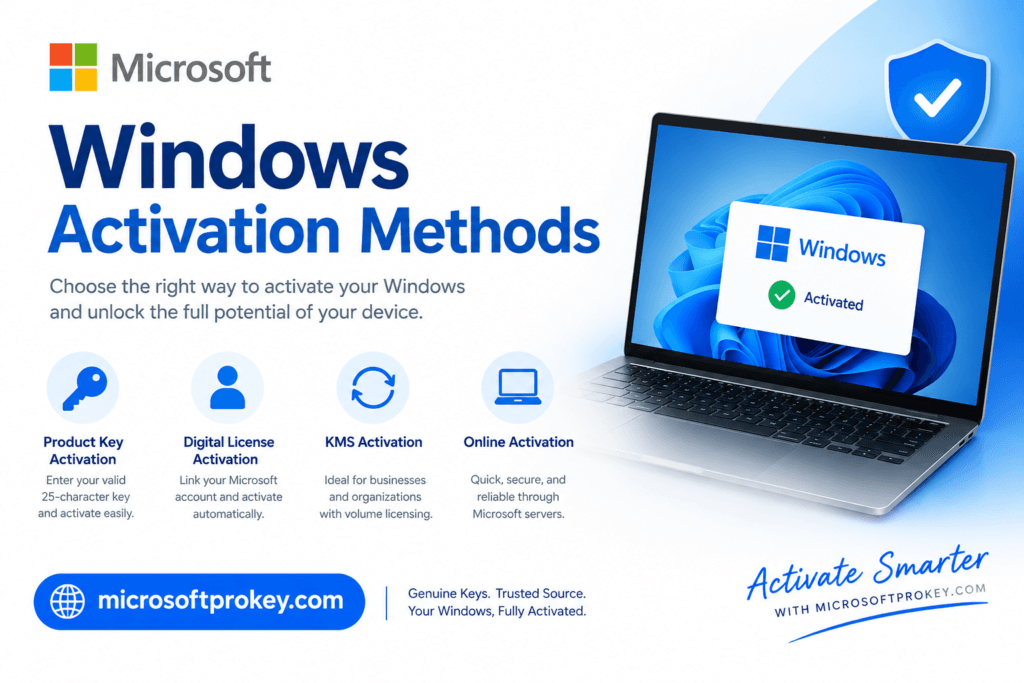
Activation methods also differ. OEM licenses are often activated automatically. The key is embedded in the BIOS. Retail licenses require manual entry of a product key. Volume licenses use MAK or KMS for activation. So, OEM is the easiest for the average user. You do not need to do anything. It just works out of the box.
Binding
Binding refers to what the license is attached to. OEM licenses are bound to the motherboard. Retail and Volume licenses are not bound to specific hardware. This is why Retail licenses are more flexible. They are not tied down to one machine.
Limitations
Each license has its own set of limitations. OEM licenses need reactivation after major hardware changes. Retail licenses can only be active on one machine at a time. Volume licenses have minimum purchase requirements. Understanding these limits is crucial. It helps you avoid surprises later.
| Feature | OEM | Retail | Volume |
|---|---|---|---|
| Cost | Cheapest | Most Expensive | Cost-effective for bulk |
| Transferability | Not transferable | Fully transferable | Transferable within org |
| Support | From manufacturer | From Microsoft | Dedicated channels |
| Activation | Automatic | Manual key entry | MAK or KMS |
| Binding | Tied to motherboard | Not hardware-bound | Not hardware-bound |
| Best For | Budget users, non-upgraders | Flexible users, upgraders | Businesses, large orgs |
Factors to Consider When Choosing a Windows License
Choosing the right Windows License depends on your situation. Here are some key questions to ask yourself.
What is Your Budget?
Your budget is the first thing to consider. If you are on a tight budget, OEM is attractive. It saves you money upfront. But think about the long term. Will you need to move the license later? If yes, the savings might not be worth it. You might end up buying another Windows License. So, balance your current budget with future needs.
Do You Plan to Upgrade Your PC?
This is a critical question. Do you like to build your own PC? Do you upgrade parts often? If so, you need a Retail license. OEM licenses do not survive major upgrades. Changing the motherboard usually requires a new license. A Retail Windows License gives you peace of mind. You can upgrade freely without worry.
Who Will Provide Support?
Support is another important factor. Do you want help from Microsoft directly? Then choose Retail. Are you comfortable dealing with your PC manufacturer? Then OEM is fine. For businesses, Volume licensing offers the best support. Think about who you want to call when things go wrong.
How Many Devices Do You Need?
The number of devices matters a lot. For one or two PCs, Retail or OEM works well. For many devices, Volume licensing is the way to go. It simplifies management and saves money. So, consider your scale. A single user does not need a Volume license.
Do You Need the Latest Features?
Some licenses offer more features. For example, Windows 11 Pro has advanced tools. You might need these for work. You can get Pro as a Retail or OEM license. You can also upgrade from Home to Pro. So, think about the features you need. Choose a Windows License that provides them.
Where Will You Buy?
Where you buy your license is very important. Always buy from trusted sources. Avoid unknown sellers offering cheap keys. These could be fake or stolen. They might stop working at any time. For genuine and affordable options, consider trusted platforms like Microsoftprokey. They offer authentic licenses at competitive prices. Always prioritize safety and legitimacy.
Common Mistakes to Avoid
Many people make mistakes when buying a Windows License. Here are some common pitfalls to avoid.
Buying the Wrong Type
The most common mistake is buying the wrong type. People often buy OEM when they need Retail. They do not realize the transfer limits. Then they are stuck when they upgrade their PC. So, always check the type before you buy. Make sure it matches your needs.
Falling for Fake Keys
Another big mistake is buying fake keys. These are sold at very low prices. They seem like a great deal. But they are often stolen or invalid. Microsoft can deactivate them at any time. You will lose your money and your access. So, always buy from authorized resellers. A genuine Windows License is worth the investment.
Ignoring the Fine Print
Many people ignore the license terms. They do not read the fine print. This leads to misunderstandings. For example, they might not know about transfer restrictions. They might not know about support limitations. So, always read the terms. Understand your rights and restrictions. This will save you from future problems.
How to Get the Best Deal on a Windows License
Getting a good deal requires some research. Here are some tips to help you save money.
Compare Prices
Do not buy the first license you see. Compare prices from different sellers. Look for deals and promotions. But remember, the cheapest option is not always the best. Make sure the seller is reputable. A genuine Windows License from a trusted source is a better long-term investment.
Look for Bundles
Sometimes you can get a license in a bundle. For example, buying a new PC often includes an OEM license. This is usually cheaper than buying separately. So, consider this option if you are getting new hardware.
Consider Upgrades
If you already have Windows, consider an upgrade. Upgrading from Home to Pro is cheaper than buying a full new license. This is a great way to get more features without breaking the bank.
Use Trusted Resellers
Using a trusted reseller can save you money. They often have competitive prices. They also provide genuine products. Platforms like Microsoftprokey offer a wide range of licenses. They are a reliable choice for your Windows License needs.
The Importance of a Genuine Windows License
Using a genuine Windows License is very important. It is not just about legality. It is about security and performance. A genuine license gives you access to all updates. These updates protect you from viruses and hackers. They also fix bugs and improve performance. Without a genuine license, you miss out on these benefits. Your computer becomes vulnerable. You might also see annoying reminders to activate Windows. So, always use a genuine Windows License. It is a small price for peace of mind.
Windows License for Different Users
Different users have different needs. Let us look at some common scenarios.
For Home Users
Home users usually need a simple solution. They use their PC for browsing, email, and entertainment. For them, an OEM license is often sufficient. It comes with the PC and works well. However, if they plan to upgrade their PC, they should choose Retail. It gives them the flexibility to move their Windows License.
For Gamers
Gamers often build their own PCs. They also upgrade their hardware frequently. Therefore, they need a Retail license. It allows them to change components without losing their license. This is crucial for gamers who want the best performance.
For Small Businesses
Small businesses have unique needs. They might need multiple licenses. They might also need advanced features like BitLocker. Windows 11 Pro is a good choice for them. They can get it as a Retail or Volume license. The choice depends on the number of devices.
For Large Organizations
Large organizations need Volume licensing. It simplifies managing many devices. It also offers cost savings. They can use tools like KMS for easy activation. This is the most efficient way for big entities.
Conclusion
Choosing the right Windows License does not have to be hard. You just need to understand the basics. Remember the three main types: Retail, OEM, and Volume. Retail offers the most flexibility. You can transfer it to a new PC. You also get direct support from Microsoft. It is the best choice for upgraders and those who want peace of mind. OEM is the budget option. It comes with new computers. It is cheaper but non-transferable. It is perfect for users who do not plan to change their hardware. Volume licensing is for large organizations. It offers bulk discounts and easy management. It is not for individual users.
Think about your own needs. Consider your budget. Think about your future plans. Do you plan to upgrade your PC? Then choose Retail. Are you on a tight budget? Then OEM might be right for you. Do you run a business? Then look into Volume licensing. Also, always buy from trusted sources. Avoid fake keys and unauthorized sellers. They can cause you big problems. A genuine Windows License is an investment in your security and productivity.
For a reliable and affordable option, check out Microsoftprokey. They offer genuine licenses at great prices. They make the buying process simple and safe. So, take the time to make the right choice. It will save you money and stress in the long run. Now you have all the knowledge you need. Go ahead and choose the perfect Windows License for you. Enjoy a secure and fully functional Windows experience.
FAQ’s
1. Can I transfer my Windows License to a new computer?
It depends on your license type. A Retail Windows License is fully transferable. You can move it to a new PC as long as you remove it from the old one. An OEM Windows License is not transferable. It is tied to the original hardware. Volume licenses can be transferred within an organization.
2. What is the cheapest type of Windows License?
The OEM Windows License is usually the cheapest. It comes pre-installed on new computers. The manufacturer gets a discount and passes it on to you. However, it has restrictions. You cannot transfer it to another PC.
3. How can I check my Windows License type?
You can check your license type easily. Open the Command Prompt as an administrator. Then type slmgr /dli and press Enter. A window will pop up showing your license details. It will say “RETAIL channel”, “OEM_DM”, or “VOLUME_KMS” channel.
4. Is it safe to buy a cheap Windows License from an online marketplace?
It is often not safe. Many cheap keys are fake or stolen. They might work initially. But Microsoft can deactivate them at any time. You will lose your money and your access. Always buy from authorized and trusted resellers.
5. What is the difference between Windows 10 and Windows 11 licenses?
The licensing types are the same. Both Windows 10 and Windows 11 use Retail, OEM, and Volume licenses. The rules for transferability and support are also the same. The main difference is the operating system version. Your license determines which version you can use.